
I remember the first time my dog slept for hours after a grooming appointment. As soon as we got home, he curled up in his bed and barely moved. I wondered, why is my dog so sleepy after grooming? After years of working with dogs, Ashkan Mani, owner of Doctor Groomer Mobile Pet Grooming, has seen this reaction many times. In most cases, it’s completely normal. Grooming takes both physical and mental energy. Standing for a full grooming session, hearing clippers and dryers, being bathed, brushed, and handled can leave many dogs ready for a long nap.
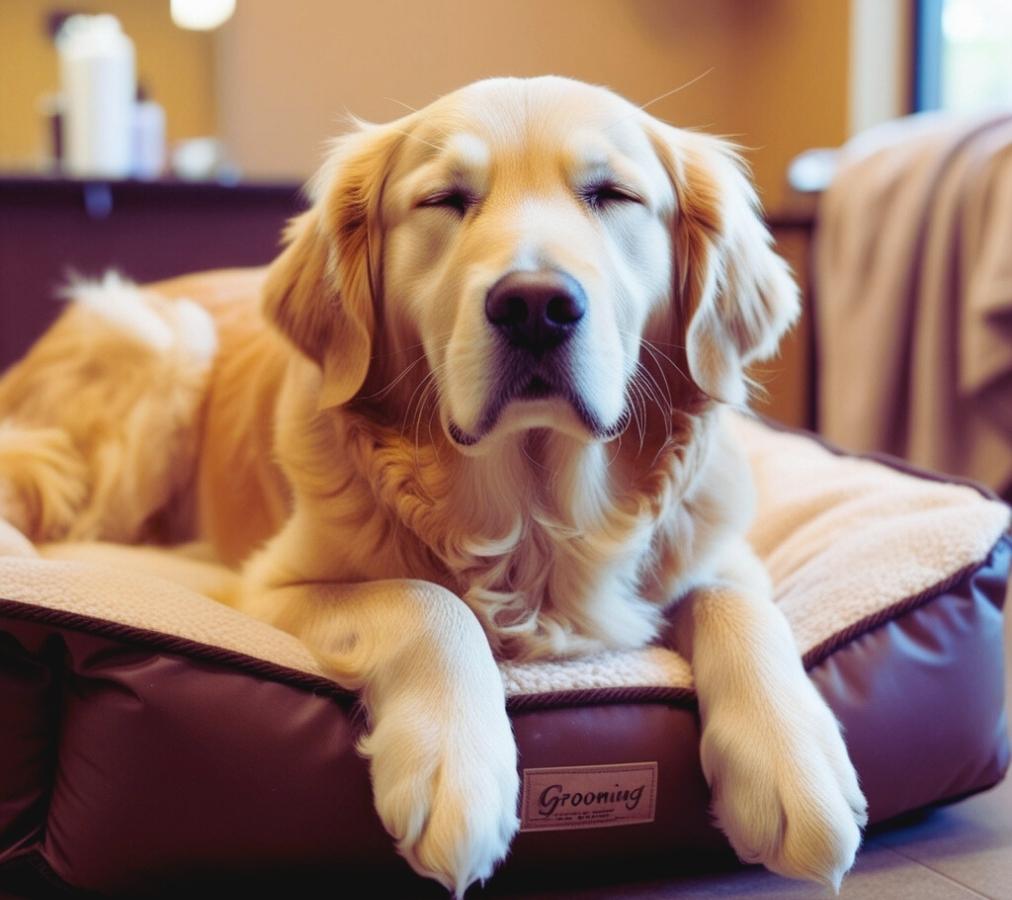
Some dogs become tired because the experience is new or a little stressful. Others simply relax once the grooming is over and finally get the chance to rest. In this guide, you’ll learn why dogs often sleep after grooming, when it’s a normal part of recovery, and which signs mean it’s time to call your veterinarian.
Is It Normal for a Dog to Be Sleepy After Grooming?
Yes. In most cases, it is completely normal for a dog to be sleepy after grooming. A professional grooming session uses both physical and mental energy. Your dog spends time standing, being bathed, brushed, dried, trimmed, and handled from start to finish. All of that activity can leave them ready for a long nap once they get home.
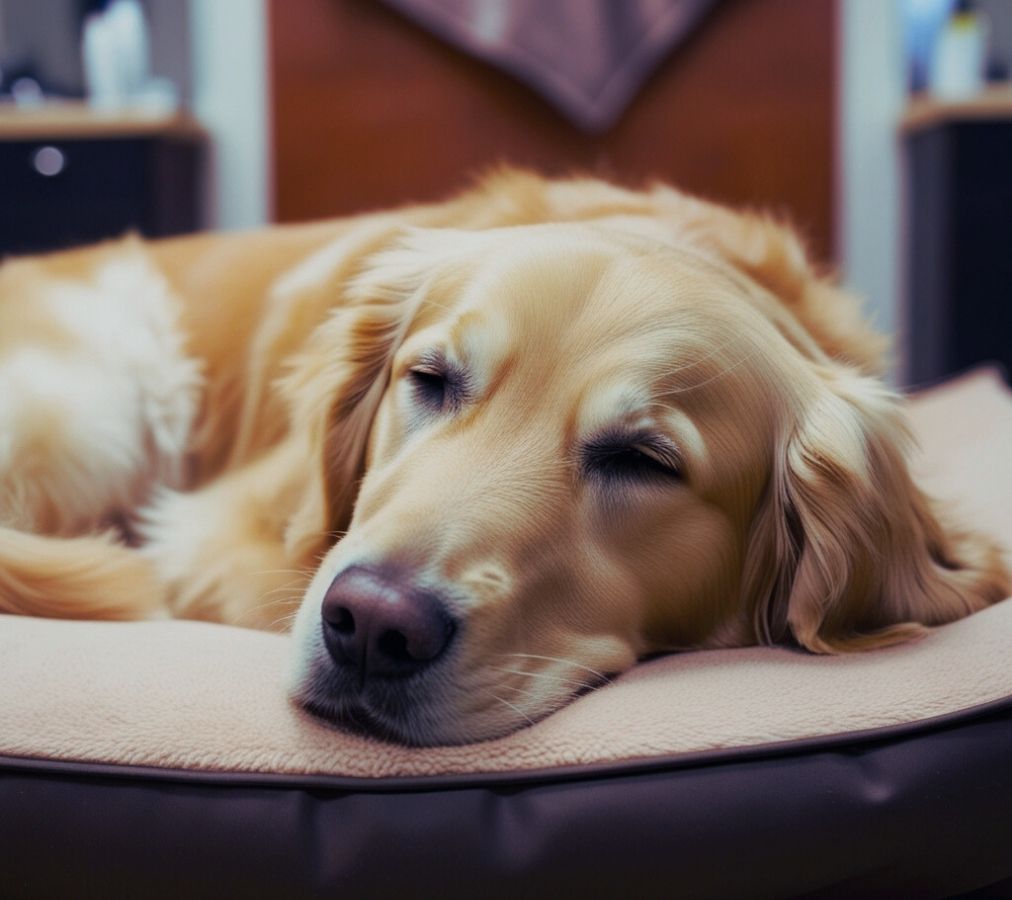
At Doctor Groomer Mobile Pet Grooming, owner Ashkan Mani has seen many dogs relax and fall asleep after their appointment. Some dogs enjoy every step of grooming, while others need time to adjust to the sounds of clippers, the force of the dryer, or being handled for an extended period. Even calm dogs can become mentally tired because they are taking in new sights, sounds, and smells throughout the session.
Think of grooming like a busy day filled with new experiences. Even though your dog is not running or playing, staying still, paying attention, and responding to the groomer requires energy. Once they are back in a familiar place, many dogs finally relax and catch up on the rest they have been holding off during the appointment.
Most dogs return to their normal energy within a few hours after resting. As long as your dog wakes up, drinks water, eats normally, and behaves like they usually do, post grooming sleepiness is usually part of a healthy recovery. However, if the tiredness lasts longer than 24 hours or comes with weakness, vomiting, trouble breathing, or other unusual symptoms, contact your veterinarian for advice.
Common Reasons Why Your Dog Is Tired After Grooming
If your dog is sleepy after grooming, it’s usually a normal response. A grooming appointment involves much more than a bath and haircut. It requires physical effort, mental focus, and constant handling. Most healthy dogs simply need time to rest before returning to their usual energy.
Physical Exhaustion
Standing for an entire grooming session can be surprisingly tiring. Your dog may spend an hour or more standing while being bathed, brushed, dried, trimmed, and having their nails cared for. Even though they are not running or playing, staying in one position for a long time uses energy and can leave their muscles feeling tired.
Mental Stress and Anxiety
Not every dog feels relaxed during grooming. New surroundings, unfamiliar people, the sound of clippers, and the force of high-velocity dryers can make some dogs anxious. Mental stress can be just as tiring as physical activity. Once they return home and feel secure, many dogs finally relax and fall asleep.
Warm Water and Gentle Handling
A warm bath and gentle brushing can help your dog’s muscles relax. Many dogs enjoy the calming routine of bathing, drying, and brushing. After their appointment, they often feel comfortable enough to settle into a deep, restful sleep.
Sensory Overload
A grooming salon introduces dogs to many new sights, sounds, smells, and sensations. Clippers, dryers, shampoo scents, other dogs, and unfamiliar voices all require your dog’s brain to stay alert. This sensory stimulation can leave them mentally tired, even if the appointment goes smoothly.
Calming Products or Veterinary Medication
Some dogs with severe grooming anxiety may receive medication prescribed by a veterinarian before their appointment. Others may benefit from veterinarian-approved calming products recommended for nervous pets. These products can contribute to temporary drowsiness. Professional groomers should never administer sedatives unless directed by a veterinarian and the pet owner.
Relief After Grooming
Many dogs stay alert during grooming because they are paying attention to everything happening around them. Once they arrive home, they know the experience is over. That feeling of relief allows them to relax completely, making a long nap one of the most common parts of post-grooming recovery.
Signs of Excessive Lethargy
Most dogs feel sleepy after grooming and return to their normal energy within a few hours. However, if your dog stays unusually tired or seems unwell, it’s important to look for warning signs. When the tiredness lasts longer than expected or comes with other symptoms, a veterinary visit is the safest choice.
Watch for these signs:
- Your dog is difficult to wake up or barely responds when you call their name.
- They refuse food or water for an extended period.
- They have no interest in walking, playing, or going outside.
- They seem weak, confused, or unable to stand normally.
- They develop vomiting, diarrhea, trouble breathing, or collapse.
If your dog remains unusually sleepy for more than 24 hours or shows any of these symptoms, contact your veterinarian as soon as possible.
Possible Underlying Health Issues
Some dogs need more time to recover after grooming because of their age or existing medical conditions. While grooming itself does not usually cause illness, it can be more physically demanding for dogs that already have health concerns.
Senior dogs may feel more tired because arthritis, joint pain, or reduced mobility makes standing during a grooming session more challenging. Dogs with heart disease, respiratory conditions, or other chronic illnesses may also become fatigued more easily. Small breeds and puppies can occasionally develop low blood sugar if they have not eaten before a long appointment, which may leave them weak or sleepy afterward.
If your dog has a medical condition and seems more tired than usual after grooming, ask your veterinarian whether any special precautions should be taken before future appointments.
Grooming Injuries or Allergic Reactions
Although uncommon, some dogs may experience minor skin irritation or an allergic reaction after grooming. Checking your dog’s skin and coat when you get home can help you spot any problems early.
Look for signs such as:
- Redness, small cuts, or clipper irritation.
- Swelling, hives, or a skin rash.
- Constant scratching, licking, or chewing at one area.
- Pain when touched or unusual sensitivity.
These signs may indicate irritation from grooming products or a skin injury that needs attention. If you notice swelling, severe irritation, difficulty breathing, or your dog appears to be in pain, contact your veterinarian right away for advice and treatment.
How to Help Your Dog Recover After Grooming
Most dogs recover quickly after a grooming appointment with a little rest and care. A calm environment and a simple post grooming routine help most dogs feel like themselves again within a few hours.
Provide a Quiet Place to Rest
After grooming, let your dog relax in a familiar, comfortable space. A cozy bed in a quiet room gives them time to recover from the physical activity and mental stimulation of the appointment. Avoid loud noises or busy activities while they are resting.
Let your dog wake up on their own instead of encouraging them to play right away.
Offer Fresh Water and a Small Meal
Many dogs are thirsty after grooming, especially if they were anxious or excited during the session. Make sure fresh water is available as soon as you get home. If it is close to their regular mealtime, offer a small meal once they have settled down and are ready to eat.
If your dog has a sensitive stomach, avoid giving large meals or unfamiliar treats immediately after grooming.
Give Them Time and Gentle Reassurance
Every dog reacts differently after grooming. Some want extra affection, while others prefer to rest alone. Let your dog decide what feels most comfortable. Speaking softly and offering gentle petting can help nervous dogs feel safe without overwhelming them.
Keep the rest of the day calm and avoid strenuous exercise until your dog has regained their normal energy.
Monitor Your Dog’s Recovery
Most healthy dogs return to their usual behavior after a few hours of rest. Continue to watch their appetite, water intake, energy level, and overall behavior during the rest of the day. If your dog remains unusually tired for more than 24 hours or develops symptoms such as vomiting, diarrhea, trouble breathing, limping, or severe weakness, contact your veterinarian promptly.
Taking a few minutes to observe your dog’s recovery can help you notice early signs that may need veterinary attention.
With plenty of rest, fresh water, and a calm environment, most dogs recover from grooming without any problems. Before long, they are back to playing, eating, and enjoying their normal routine.
Frequently Asked Questions
Why does my dog sleep so much after grooming?
It is normal for many dogs to sleep more after grooming. A grooming session uses both physical and mental energy. Standing for long periods, being bathed, brushed, dried, and exposed to new sounds and smells can leave dogs feeling tired. Most healthy dogs return to their normal energy after a few hours of rest.
Why is my dog so tired after grooming?
Dogs can feel tired after grooming because the experience requires patience, handling, and constant attention. Even calm dogs use energy while standing still and adjusting to clippers, dryers, and other grooming tools. A nap after grooming is one of the most common reactions he sees in healthy dogs.
Is it normal for my dog to be lethargic after grooming?
Mild sleepiness is normal, but true lethargy is not. If your dog is difficult to wake, refuses food or water, has trouble walking, or remains unusually tired for more than 24 hours, contact your veterinarian. These signs may indicate an underlying medical issue rather than normal post-grooming fatigue.
Can grooming be too much for my dog?
Yes. Puppies, senior dogs, and dogs with medical conditions may become tired more easily during a long grooming session. Choosing an experienced groomer, scheduling regular appointments, and allowing breaks when needed can help make grooming more comfortable.
How can I make grooming less stressful for my dog?
Start grooming at a young age if possible and create positive experiences with praise and rewards. Regular grooming appointments help many dogs become more familiar with the process over time. Choosing a patient, experienced groomer who understands canine behavior can also reduce anxiety and make future visits more enjoyable.
Conclusion
If your dog is sleepy after grooming, there’s usually no reason to worry. A grooming session can be both physically and mentally tiring, so many dogs need a few hours of rest before they are back to their normal routine. Based on Ashkan Mani’s experience at Doctor Groomer Mobile Pet Grooming, post-grooming sleepiness is one of the most common responses in healthy dogs and is usually part of a normal recovery.
The best thing you can do is give your dog a quiet place to rest, fresh water, and a little time to recharge. Keep an eye on their appetite, energy level, and overall behavior as they recover.
If your dog remains unusually tired for more than 24 hours or develops symptoms such as vomiting, trouble breathing, weakness, or refusal of food and water, contact your veterinarian promptly. Understanding what is normal and knowing when to seek professional care will help keep your dog healthy, comfortable, and happy after every grooming appointment.