
I still remember the first time I noticed my cat doing this and I honestly froze for a second because it felt so strange. If you’ve ever wondered why do cats lick each others anus, you’re not alone, and it’s actually a pretty common question for cat owners in the USA. From my experience living with multiple cats, this behavior is usually just part of their natural grooming routine, almost like how we wash our hands without thinking. Over time, I learned there are several reasons of cat lick other cats butt, including bonding and hygiene. When I saw my own cat licking my other cat’s butt, I thought something was wrong, but it turned out to be normal social behavior.
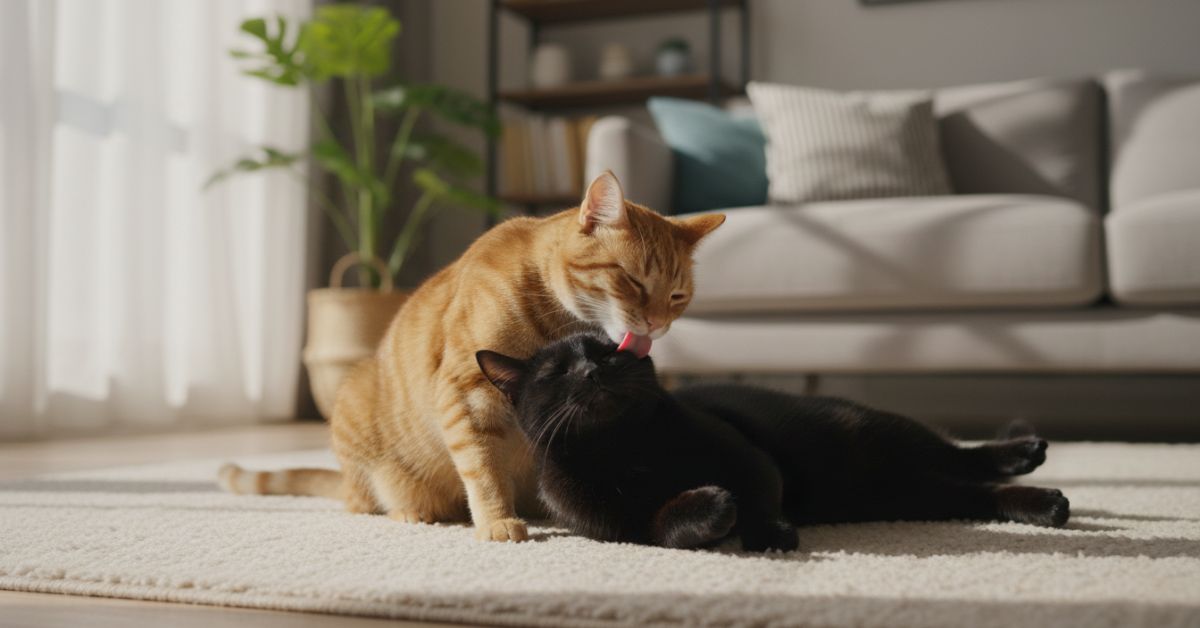
In this article, I’ll break it down in a simple way so you can understand what’s normal, what’s not, and when you should pay attention.
Why Do Cats Lick Each Other’s Butts?
When I first saw this, I honestly thought, Okay… that looks weird. But after living with cats for years, I learned that why do cats lick each other’s butts has very simple, natural reasons. In most cases, it is normal behavior.
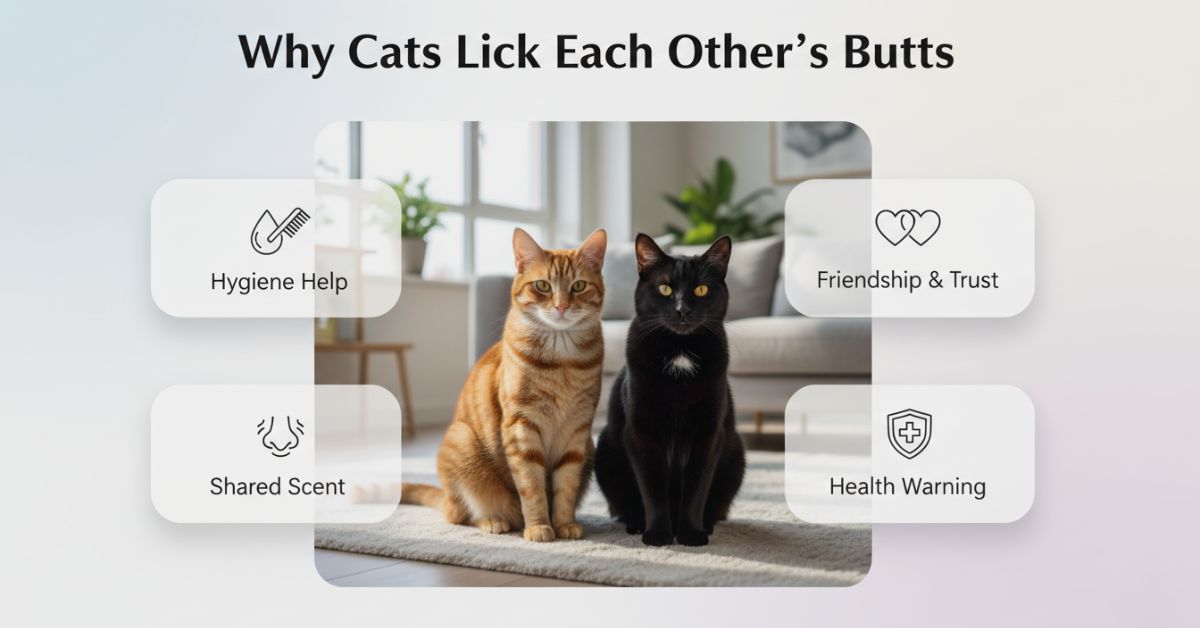
Cats are just doing cat things, not being strange or gross. Below are the real reasons, explained in a simple way from my own observation and experience.
Natural Grooming Behavior
The main reason is simple: cats clean each other. Cats are very focused on hygiene. They clean their whole body every day. But some areas are hard to reach, especially the rear part. So another cat helps. In my home, I noticed one cat gently cleaning the other like it’s a normal routine. It is basically like helping a friend brush their hair. For cats, butt licking is just part of full-body grooming. Simple truth: It is hygiene, not weird behavior. It is just natural cleaning.
Social Bonding Between Cats
Cats also use grooming to build trust. This is called “allogrooming.” When I saw my cats doing this more often during quiet moments, I realized it wasn’t random. It usually happens when they feel safe with each other. It is like a friendship signal. In simple words:
- You are part of my group
- I trust you
Scent and Territory Recognition
Cats live in a world of smell. For them, scent is like an ID card. When one cat licks another, it helps mix and recognize shared scent. This makes the group feel “connected.” I noticed this more in multi-cat homes. After grooming, they often behave more relaxed with each other. It also helps reduce confusion or tension in the group. Simple truth: It helps cats recognize “family smell” and stay peaceful.
Health or Hygiene Issues in Another Cat
Sometimes, the reason is not just normal grooming. If one cat is licking the other cat’s butt more than usual, it can be a sign of something else:
- Soft stool or diarrhea
- Poor self-cleaning
- Skin irritation or infection
- Parasites like fleas or worms
In my experience, when one cat suddenly focused too much on another’s rear area, I checked their health and diet first. Simple truth: Too much licking can sometimes mean a health issue, not just grooming.
Is It Normal When My Cat Licks My Other Cat’s Butt?
Yes, in most homes, this is completely normal behavior. When people ask is cat licking another cat’s butt normal, the simple answer is yes—most of the time it is just grooming. I know it looks strange at first. I had the same reaction in my home. But for cats, it is just part of daily cleaning and social life, like brushing hair for us. In multi-cat homes, this happens more often than people expect. So, why do cats lick each other’s anus in normal cases? It usually comes down to hygiene and trust. One cat helps clean an area the other cannot easily reach. It is quick, natural, and usually not a problem at all. Simple truth: If both cats are healthy and relaxed, this behavior is normal and harmless.
When It Becomes Excessive or Obsessive
Sometimes, the behavior can cross a line. When my cat started focusing too much on the other cat’s rear area, I noticed it was no longer just quick grooming. It became frequent and a bit intense. This is when you should pay attention. Why is my cat licking my other cats butt so much? It can sometimes point to stress, irritation, or a health issue instead of normal grooming. Signs it may be too much:
- One cat cannot walk away easily
- Licking happens very often in a short time
- The other cat looks annoyed or avoids it
- It happens with no calm body language
Red Flags to Watch For
From my own experience and learning as a cat owner, I found that too much licking can sometimes be a warning sign. It does not always mean something serious, but it is worth checking. Common reasons behind abnormal behavior:
- Infection or irritation: If the area smells bad or looks red
- Stress or anxiety: New home, new pet, or routine change
- Parasites: Fleas or worms can cause discomfort
- Digestive issues: Soft stool makes cleaning harder
I remember once thinking it was just normal grooming, but later I noticed one cat had mild stomach issues. After fixing the diet, the behavior reduced a lot. Simple truth: If licking looks intense or repeated, check health first before assuming it is normal.
Why Is My Cat Licking My Other Cat’s Butt So Much?
When this starts happening a lot, it usually means something has shifted. Why is my cat licking my other cat’s butt so much? In simple terms, it is often more than normal grooming. It can be over-grooming, stress, or even a hidden health issue. I noticed this myself once, and at first I ignored it. But the repetition told a different story. Think of it like someone repeating the same action again and again. Normal care is quick and done. Too much of it usually means something is “off” in the background. Simple truth: Frequent licking is often a signal, not just a habit.
Over-Grooming Behavior
One common reason is over-grooming. This is when a cat takes a normal behavior and does it too much. In my home, I saw one cat keep returning to the same spot again and again. It was not gentle or quick anymore. It felt more like a loop.
Cats can do this when:
- They feel unsure or uneasy
- Something in the body feels uncomfortable
- They get “stuck” in a grooming habit
It is like scratching an itch that never fully goes away.
Anxiety or Dominance Behavior
Sometimes, it is not about cleaning at all. It can be about stress or social tension. Cats are sensitive. Small changes affect them more than we think. A new pet, a move, or even a shift in routine can change behavior. I noticed in multi-cat homes, one cat may start grooming more when it feels unsure of its place. It is a quiet way of saying, “I am trying to stay connected,” or sometimes even, “I want control here.”
Possible Medical Triggers
This is one of the most important things to check. When a cat keeps licking another cat’s butt, health issues can sometimes be the hidden cause. From my experience, this is what I always check first now:
- Digestive issues: Soft stool makes cleaning harder
- Fleas or parasites: Itching can spread attention to other cats
- Skin irritation: Redness or discomfort can trigger grooming behavior
I once thought it was just behavior, but later found a mild digestive issue in one of my cats. After fixing the diet, the licking reduced naturally.
Environmental Stress Factors
Sometimes the cause is not inside the cat, but around them. Cats react strongly to their environment. Even small changes can shift behavior:
- New furniture or smell in the house
- Loud noise or visitors
- Changes in feeding time
- Lack of space or hiding spots
In multi-cat homes, stress can quietly build. Grooming becomes a way to cope, like pacing for humans when thinking too much.
Cat Licks Other Cat’s Butt – Should I Be Worried?
Short answer: Most of the time, no you should not worry. When a cat licks other cats butt, it is usually normal grooming and social behavior. I have seen this many times in multi-cat homes, and in most cases, it is just part of how cats stay clean and connected. But there are moments when it does need attention. Think of it like people. A quick help is normal. But repeated focus on one small thing can mean something else is going on. Simple truth: Normal licking is fine. Repeated or intense licking needs a closer look.
Normal vs Abnormal Behavior Comparison
In my experience, the easiest way to understand this is to compare “normal” and “not normal.” Normal behavior looks like:
- Short grooming sessions
- Both cats look relaxed
- No chasing or forcing
- Happens occasionally, not nonstop
This is what I see most of the time at home. It is quick, calm, and done.
Abnormal behavior looks like:
- One cat keeps going back again and again
- The other cat tries to move away
- Licking feels intense or focused
- It happens many times in a short period
I once ignored this difference early on, and later I realized the behavior was trying to “tell” me something. Simple truth: Calm and short = normal. Repeated and one-sided = warning sign.
Signs That Indicate Vet Consultation Is Needed
Sometimes, why is my cat licking my other cat’s butt so often becomes more than a behavior question it becomes a health check moment. From what I have learned, you should think about a vet visit if you notice:
- Bad smell or redness in the area
- Soft stool or bathroom changes
- Visible irritation or licking that looks painful
- Sudden change in behavior between cats
- One cat acting stressed or hiding more
I remember once thinking it was just grooming. But later, a simple vet check showed mild digestive irritation. Nothing serious, but enough to change the behavior after treatment. Simple truth: If behavior changes suddenly, the body is usually sending a signal.
Hygiene Considerations for Indoor Cats
Indoor cats are usually cleaner, but hygiene still matters a lot. Cat licks other cats butt behavior can increase if cleanliness or litter habits are off. From my own home experience, I noticed less of this behavior when I kept things simple and clean:
- Clean litter boxes daily
- Keep multiple litter boxes for multiple cats
- Regular brushing to reduce buildup
- Balanced diet to support digestion
It is kind of like keeping your room clean. When everything is in order, cats behave more naturally and less “fixated” on grooming each other. Simple truth: Better hygiene often means less excessive licking.
My Personal Experience With Cats Licking Each Other’s Butt
Seeing cats lick each other’s rear can feel strange at first I had the same reaction. But over time, I realized it’s usually normal behavior. Cats groom each other not just to stay clean, but to build trust and strengthen their bond. When I observed more closely, I noticed the behavior was calm, brief, and mutual. Neither cat showed stress or discomfort, which reassured me that nothing was wrong. I also began to see patterns. It often happened after meals or during quiet moments, followed by the cats staying close together. That told me it was part of their social connection, not something random. Now, I focus less on the act itself and more on context. If both cats seem relaxed, I let it be. But if it becomes excessive or one cat seems irritated, I check for possible health or stress issues. Watching behavior over time helps you understand what’s truly normal.
How to Manage or Reduce Excessive Licking Behavior
Reduce excessive licking by keeping cats clean, lowering stress, and checking health early. When I first saw this problem, I tried to stop it fast. That did not work. Later, I learned a simple truth. Fix the cause, not the act. When I changed a few small things, the behavior went down. If you see cat lick other cats butt too much, think of it as a sign.
Keep Cats Clean and Healthy
Clean cats need less help, so licking goes down. I started with basic care. I brushed both cats more. I checked their rear area often. If it was clean, the other cat had no need to help. I also cleaned the litter box every day. A dirty box can lead to more licking. After I kept it clean, I saw less of this act. I did one more thing. I went for a simple vet check. One cat had a small gut issue. After I fixed that, the licking dropped.
What I do now:
- Brush cats each week
- Clean the litter box each day
- Check the rear area
- Visit the vet on a set plan
Simple truth: Clean cats do not need extra grooming.
Reduce Stress in Multi-Cat Homes
Short answer: Less stress means less repeat licking. This part was key for me. Cats react to small changes. Even a new smell can shift their acts. I gave each cat its own food spot. Before, they shared one place. That caused some tension. After I split the space, things got better. I also added toys and soft rest spots. Each cat had a place to go. This cut down repeat acts. Think of it like this. A busy mind repeats acts. Cats do the same.
What I do now:
- Feed cats in two spots
- Give each cat its own space
- Add toys for play
- Keep a set daily time plan
- Simple truth: A quiet home leads to less stress acts.
Address Medical Issues Early
Short answer: Health issues can cause licking, so check early. Now, I always check health first. If licking goes up, I look for small signs. One time, I saw one cat lick more than usual. I checked the stool. It was soft. I fixed the food. The act went down. I also check for fleas. Small bugs can cause a lot of itch. Cats may try to help each other.
What I check:
- Stool (is it soft or not)
- Skin (any red spots)
- Bugs like fleas
- Sudden change in acts
Simple truth: Fix the body, and the act will stop.
Solution of Cat Lick Other Cats Butt
Short answer: Watch the pattern, check health, keep things clean, and ask a vet if it does not stop. When I first dealt with this, I wanted a quick fix. That did not work. What worked was a simple step-by-step plan. If you see cat lick other cats butt too often, follow this like a checklist. It keeps things clear and easy.
Observe Behavior Frequency
If it is rare, it is normal. If it repeats a lot, pay attention. The first thing I do now is just watch. Not all licking is a problem. I look at how often it happens. Once or twice a day is fine. Many times in a short span is a sign. I also watch both cats. One time, I saw one cat walk away again and again. That told me it was not simple grooming anymore. Simple truth: Pattern matters more than the act.
Check for Health Issues
Many times, the cause is inside the body. This step changed everything for me. I now check health early. Small issues can lead to more licking. I look at stool first. If it is soft, that is a clue. I check the rear area for dirt or red skin. I also look for fleas or signs of itch. One time, a small food issue caused all the extra licking. After I fixed the diet, things went back to normal. Simple truth: The body often sends signals before clear signs show.
Improve Hygiene Routine
Better hygiene means less need for one cat to clean another. I made a few small changes at home. I clean the litter box every day. I brush both cats on a set day each week. I also check their rear area now and then. These steps are simple, but they work. When cats stay clean, they do not need help from each other as much. Simple truth: Clean space, clean cats, less licking.
Consult a Vet If Needed
If the behavior does not stop, get expert help. If I see the licking stay high, I do not wait too long. A vet can spot things we miss. It could be skin issues, gut problems, or small infections. I once waited too long, and the issue got worse. After that, I learned to act early. A quick visit can save a lot of stress. Simple truth: Early help makes things simple.
Quick Action Plan
Follow these four steps in order.
- Watch how often it happens
- Check for health signs
- Keep cats and space clean
- Visit a vet if it continues
From my own home, this simple plan works every time. Cats do not act without a reason. When you follow the signs step by step, the answer becomes clear.
More Article
Why Do My Cats Lick Each Other Then Fight
How to Restrain Cat for Grooming
FAQs
Why do cats lick each other’s butts?
Cats lick each other’s butts for grooming, bonding, and scent sharing.
It is a normal cat habit in most homes. It helps keep the body clean. It also builds trust between cats. In my home, I saw this after meals or rest time. It was quick and smooth. This act helps cats clean hard spots and share group scent. It keeps peace in multi cat homes and shows social bond.
Is it normal for cats to lick each other’s anus?
It is part of daily grooming and social care. It may look odd, but it is safe when both cats are fine. I noticed this often in calm moments. Both cats stayed relaxed. If the act is short and not forced, it is fine. It helps hygiene and trust. Watch only if it turns too frequent or if one cat tries to move away.
Why does my cat lick my other cat’s butt so often?
It is not always just grooming. It can be a sign that something has changed in the body or home. In my case, I saw more licking when one cat had soft stool. After diet change, it went down. It can also link to stress, fleas, or skin itch. Watch patterns and check early for clear signs.
Can I stop my cats from doing this?
You should not stop normal grooming. Only act when it turns too often or one-sided.
I did not stop it by force. I fixed the cause. I kept cats clean, reduced stress, and checked their health. This helped more than any quick fix. When the root cause is solved, the act drops on its own.
Is cat licking another cat’s butt a sign of illness?
It depends on signs like smell, red skin, or a change. Not all licking means illness.
I once saw extra licking due to gut trouble. After care, it stopped. Check for fleas, skin issues, or soft stool. If you see a sudden change, it is best to check early. Early action keeps cats safe and well.
Conclusion
Cats licking each other’s rear may seem unusual, but it is typically normal behavior. In most cases, cats do this to stay clean, build trust, and share scent within their social group. From experience, what first looks odd often becomes understandable with time and observation. When the behavior is brief, calm, and both cats seem comfortable, there is usually no reason to worry. This grooming also helps cats clean areas that are hard to reach on their own, while strengthening their bond. However, it is important to stay observant. If the behavior becomes frequent, intense, or one cat appears uncomfortable or tries to avoid it, it may signal a health or stress-related issue. Checking things like diet, litter habits, and overall mood can help identify any underlying problems. The key is to watch patterns rather than react to a single moment. Cats communicate through behavior, and careful observation helps you understand what is normal and when to act.
Visit Doctor Groomer Mobile Pet Grooming for friendly advice based on real life with pets. We’re here to help you keep your furry family happy and healthy!